Table of Contents
Embarking on your first backpacking adventure feels equal parts exhilarating and overwhelming. Between trail maps, sleep systems, and nutrition planning, your backpack choice often becomes the make-or-break decision that determines whether your maiden voyage ends in triumph or a sore-backed disaster. Internal frame backpacks have revolutionized backcountry travel since their mainstream debut in the late 1970s, replacing bulky external frames with sleek, body-hugging designs that move with you rather than against you. For beginners, this technology offers a forgiving learning curve while providing the performance needed for everything from weekend warrior trips to ambitious thru-hike aspirations.
But here’s the truth bomb that gear shops rarely advertise: the “best” internal frame backpack doesn’t exist in absolute terms. The ideal pack is the one that fits your unique body geometry, matches your intended adventure style, and aligns with your budget without compromising on critical features. This guide cuts through marketing hype and influencer noise to equip you with the knowledge to make an informed decision. We’ll dissect every component, demystify technical jargon, and explore the nuanced trade-offs that separate a pack you’ll love from one you’ll regret.
Top 10 Internal Frame Backpacks
Detailed Product Reviews
1. Teton 45L Scout Internal Frame Backpack for Hiking, Camping, Backpacking, Rain Cover Included, Bluejay

Overview:
The Teton 45L Scout delivers impressive value for entry-level backpackers seeking a reliable weekend companion. This internal-frame pack balances essential features with approachable pricing, making it ideal for those testing the waters of multi-day hiking. The 45-liter capacity handles 2-3 day trips comfortably, while the included rain cover adds weather protection rarely seen at this price point.
What Makes It Stand Out:
The multi-position torso adjustment system distinguishes this pack from budget competitors, allowing both medium and tall users to achieve proper fit. The open-cell foam lumbar pad with molded channels provides genuine comfort during long miles, not just token padding. Teton’s commitment to customer support stands behind every purchase, offering peace of mind for first-time buyers.
Value for Money:
At this price tier, you’d typically find frameless daypacks or flimsy external-frame designs. The Scout undercuts premium brands like Osprey by 60-70% while delivering 80% of the functionality. For beginners uncertain about their commitment to backpacking, this represents minimal financial risk with maximum trail readiness.
Strengths and Weaknesses:
Pros include exceptional adjustability, durable construction that withstands trail abuse, thoughtful compartmentalization with a dedicated sleeping bag area, and responsive customer service. Cons involve heavier materials than ultralight alternatives, limited ventilation in hot conditions, and a basic suspension system that may struggle with loads exceeding 35 pounds.
Bottom Line:
Perfect for novice backpackers and casual campers who prioritize reliability and features over ultralight weight. The Scout 45L proves you don’t need premium prices for a trail-worthy pack that will serve you well on countless weekend adventures.
2. Teton 65L Explorer Internal Frame Backpack for Hiking, Camping, Backpacking, Rain Cover Included, Black

Overview:
The Teton 65L Explorer scales up the Scout’s proven formula for serious multi-day expeditions. This cavernous pack accommodates 4-7 day adventures with room for cold-weather gear, family supplies, or extended provisions. Despite its budget positioning, the Explorer refuses to compromise on core features that matter when miles from the trailhead.
What Makes It Stand Out:
The capacity range (65L, 75L, 85L) is unmatched in this price bracket, growing with your ambitions. The same torso adjustment system found on smaller models ensures proper weight distribution even when fully loaded. Multi-directional compression straps tame bulky loads, while the robust frame handles weights that would crush lesser packs, making it a true load-hauling workhorse.
Value for Money:
Premium 65L+ packs from Gregory or Deuter command $250-350. The Explorer delivers comparable load-hauling capability at a fraction of the cost, making extended backcountry trips accessible to budget-conscious adventurers. The included rain cover and hydration compatibility eliminate immediate accessory purchases, saving another $50+.
Strengths and Weaknesses:
Pros include massive capacity options, reliable comfort for medium-heavy loads, durable fabrics that resist abrasion, and excellent organizational features. Cons feature a heavier empty weight than premium alternatives, bulkier profile that can feel cumbersome on narrow trails, and suspension that maxes out around 45-50 pounds for optimal comfort.
Bottom Line:
For backpackers needing serious space without serious debt, the Explorer 65L is a standout choice. It’s a workhorse pack that prioritizes function over finesse, ideal for gear-intensive trips and those who bring comforts from home into the backcountry.
3. Teton 55L Scout Internal Frame Backpack for Hiking, Camping, Backpacking, Travel, Rain Cover Included, Black

Overview:
The Teton 55L Scout hits the sweet spot for versatile adventurers who split time between weekend trips and longer excursions. This middle child in the Scout series offers the same robust feature set as its siblings but with a capacity that bridges day-hiking and multi-day trekking without excess bulk or unnecessary weight penalty.
What Makes It Stand Out:
The 55L volume represents the most flexible size in Teton’s lineup, handling 3-4 day trips while remaining manageable for shorter outings. The identical torso adjustment and lumbar system ensure the same custom fit regardless of which Scout size you choose. Its travel-friendly dimensions often meet carry-on requirements, doubling as an adventure travel pack for hostel-hopping.
Value for Money:
This model avoids the cost premium of larger capacities while providing more utility than the 45L version. It’s priced identically to other Scouts per feature, making it the smart choice for those uncertain about their typical trip length. You get full premium-brand feature parity at entry-level pricing, with no compromises on essentials.
Strengths and Weaknesses:
Pros include ideal capacity versatility, proven comfort system, durable construction, comprehensive pocket layout, and included rain cover. Cons involve weight penalties versus ultralight alternatives, basic fabric breathability that can feel warm in humid climates, and a one-size-fits-most approach that may not suit very short or very tall users at extremes.
Bottom Line:
The 55L Scout is the most versatile choice for varied adventures. If you’ll own just one pack for different trip lengths, this capacity offers the best compromise. It’s a reliable, feature-complete option that grows with your skills and adapts to diverse outdoor scenarios.
4. Mardingtop 60L Military Internal Frame Backpack for Hiking,Camping,Hunting,Rucksack Backpack with Rain Cover
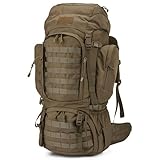
Overview:
The Mardingtop 60L Military Backpack brings tactical versatility to the hiking world with a rugged, modular design. Constructed from 600D polyester with YKK hardware, this pack targets adventurers who value customization and durability over ultralight minimalism. Its military-inspired aesthetic conceals thoughtful features for both trail and travel use.
What Makes It Stand Out:
Extensive MOLLE webbing transforms this from a simple pack into a modular system, allowing attachment of pouches and gear. The hydration compartment doubles as a padded laptop sleeve, bridging outdoor and urban use seamlessly. YKK zippers and buckles provide premium hardware rarely seen at this price point, ensuring reliability under stress and extended use.
Value for Money:
Competing tactical packs from 5.11 or Maxpedition cost significantly more. The Mardingtop delivers comparable modularity and durability while including a rain cover. For travelers and hikers wanting one pack for multiple contexts, this eliminates the need for separate tactical and hiking bags, representing excellent consolidation value.
Strengths and Weaknesses:
Pros include excellent modularity, durable materials and hardware, versatile compartment design, airline compliance, and dual-use hydration/laptop compartment. Cons feature a military aesthetic unsuitable for some environments, potentially less refined comfort than dedicated hiking packs, and a stiffer break-in period for the harness system that requires patience.
Bottom Line:
Ideal for tactical enthusiasts, adventure travelers, and those wanting maximum gear attachment options. The Mardingtop 60L excels when customization and durability trump ultralight concerns, making it a smart hybrid choice for users who blur the line between outdoor recreation and tactical preparedness.
5. IX INOXTO 55L Internal Frame Waterproof Hiking Camping Backpack with 3L Water Bladder and Rain Cover, Large Lightweight Travel Daypack Rucksack for Climbing (Black)

Overview:
The IX INOXTO 55L positions itself as a complete hiking solution, bundling premium features with an included 3-liter hydration bladder. This pack targets value-conscious buyers who want everything in one purchase, from water system to weather protection. Its modern design emphasizes comfort and lightweight performance without sacrificing durability for typical trail use.
What Makes It Stand Out:
The included leak-proof 3L bladder eliminates a $30-40 separate purchase, complete with switch valve and wide opening for cleaning. A waterproof rain cover pouch adds extra protection beyond water-resistant fabric. The suspended three-dimensional breathable back system with an elastic steel frame provides ventilation and support rivaling premium brands costing twice as much.
Value for Money:
Few packs include both bladder and rain cover at this price point. The INOXTO effectively bundles $50+ of accessories while delivering a sub-3-pound pack weight. For beginners wanting a turnkey solution, this eliminates guesswork and additional purchases, representing exceptional bundled value that gets you on the trail immediately.
Strengths and Weaknesses:
Pros include complete out-of-box readiness, lightweight design, excellent ventilation system, versatile compression and attachment points, and airline compliance. Cons involve a lesser-known brand with unproven long-term durability, potentially complex adjustment system for novices, and fabric that prioritizes weight over absolute ruggedness in harsh environments.
Bottom Line:
The INOXTO 55L is perfect for those wanting a ready-to-hike package without researching separate components. It’s an all-in-one solution that delivers modern comfort features and essential accessories at an unbeatable bundled price, making it ideal for beginners and value-seekers alike.
6. Teton 75L Explorer Internal Frame Backpack for Hiking, Camping, Backpacking, Rain Cover Included, Ocean

Overview: The Teton 75L Explorer is a robust internal frame backpack designed for serious outdoor enthusiasts who need reliable gear without breaking the bank. Built to handle extended backcountry trips, this pack balances comfort, durability, and thoughtful organization for both novice and experienced backpackers tackling multi-day adventures.
What Makes It Stand Out: Teton’s “Teton Tough” construction philosophy delivers exceptional durability at this price point. The multi-position torso adjustment accommodates medium to tall adventurers, while the open-cell foam lumbar pad with molded channels ensures superior ventilation and comfort under heavy loads. The integrated hydration pocket, large sleeping bag compartment, and multi-directional compression straps demonstrate thoughtful design that rivals premium brands costing twice as much.
Value for Money: This pack offers remarkable value, positioning itself as a feature-rich alternative to high-end manufacturers. With comparable suspension systems, adjustability, and included rain cover, you’re getting expedition-ready features typically found in $200+ backpacks. The 75L capacity provides ample space for week-long trips without the premium price tag.
Strengths and Weaknesses:
- Strengths: Excellent durability with reinforced stress points; highly adjustable torso length for custom fit; superior ventilation system reduces back sweat; intuitive pocket layout with dedicated sleeping bag compartment; included rain cover adds weather protection.
- Weaknesses: Slightly heavier than ultralight alternatives; limited color options may not appeal to all users; hip belt padding could be more substantial for loads exceeding 45 pounds.
Bottom Line: For backpackers seeking a dependable, feature-packed workhorse without the premium cost, the Teton 75L Explorer delivers exceptional performance. It’s an ideal choice for those prioritizing durability and comfort over shaving ounces.
7. Mardingtop 75L Molle Hiking Internal Frame Backpacks with Rain Cover for Camping,Backpacking,Travelling(Khaki)

Overview: The Mardingtop 75L backpack blends military-inspired tactical functionality with traditional hiking pack design. Constructed from rugged 600D polyester with YKK zippers, this versatile pack targets adventurers who value modular customization and quick gear access for camping, backpacking, or emergency preparedness scenarios.
What Makes It Stand Out: Extensive MOLLE webbing transforms this into a highly adaptable platform for attaching trekking poles, sleeping bags, or even rifles via side straps. The front panel unzips completely for luggage-style access to the main compartment, while dual side pocket sizes accommodate everything from water bottles to survival gear. The hydration compartment supports 3-liter bladders with top-routed tubes for convenient drinking on the move.
Value for Money: Competitively priced for a tactical-grade pack, the Mardingtop offers genuine YKK hardware and 600D fabric typically reserved for higher-priced military surplus gear. The included rain cover and MOLLE versatility provide exceptional utility for budget-conscious tactical enthusiasts and serious hikers alike.
Strengths and Weaknesses:
- Strengths: Superior modularity with extensive MOLLE webbing; robust 600D polyester construction; dual access points (top and front-loading); versatile side pockets for organization; chest strap effectively distributes heavy loads; tactical aesthetic appeals to specific user groups.
- Weaknesses: MOLLE system adds weight; tactical appearance may be conspicuous in civilian settings; fewer torso adjustment options than dedicated hiking packs; hip belt lacks advanced padding systems.
Bottom Line: Perfect for tactical users, survivalists, and hikers wanting maximum customization. The Mardingtop excels when gear attachment versatility outweighs ultralight priorities, making it a solid multi-purpose investment.
8. Amazon Basics Internal Frame Backpack, 75 Liters, Black

Overview: Amazon’s entry into the backpacking market delivers a no-frills, budget-conscious 75L internal frame pack designed for occasional hikers and camping newcomers. The straightforward design focuses on essential features without the premium branding, offering a functional solution for those testing the waters of multi-day backpacking.
What Makes It Stand Out: The 70L main compartment plus 5L extension collar provides flexible capacity for varying trip lengths. Amazon includes triple weather protection: water-repellent coating, integrated rainfly, and a separate waterproof rain cover for heavy downpours. The adjustable padded shoulder straps and open-cell foam lumbar pad with molded channels mirror comfort features found in pricier alternatives.
Value for Money: This pack represents the entry-level sweet spot, priced significantly below competitors while covering basic needs. For weekend warriors or those unsure about committing to expensive gear, it offers a low-risk introduction to internal frame backpacks with the security of Amazon’s one-year warranty.
Strengths and Weaknesses:
- Strengths: Exceptionally affordable entry point; comprehensive rain protection system; adequate storage with sleeping bag compartment; multi-directional compression straps stabilize loads; backed by Amazon’s reliable warranty and return policy.
- Weaknesses: Basic materials may not withstand rigorous long-term use; limited adjustability compared to premium packs; lacks hydration reservoir sleeve; generic design offers no standout features; durability concerns under heavy loads.
Bottom Line: An honest starter pack for casual adventurers prioritizing budget over performance. While serious backpackers will outgrow its limitations quickly, it serves as a capable gateway to multi-day hiking without financial commitment.
9. N NEVO RHINO Internal Frame Hiking Backpack 50/60/65/70/80L, Mountain Climbing Camping Backpack Daypack Waterproof Rain Cover

Overview: N NEVO RHINO positions itself as a lightweight, feature-forward backpack brand offering multiple capacity options from 50L to 80L. Weighing just 2.65 pounds, this pack targets weight-conscious hikers unwilling to sacrifice organizational features or comfort, making it suitable for everything from day trips to extended expeditions.
What Makes It Stand Out: The innovative high-load waist buckle system and split dual wishbone waist pad provide superior load distribution and customization. Constructed from rip-stop scratch-resistant nylon with high-density stitching, it balances durability with minimal weight. The breathable mesh padding system across the back, shoulders, and hip belt accelerates heat dissipation, while the semi-circle hollow head design maintains comfort even when fully packed.
Value for Money: Competitive mid-range pricing delivers premium features like rip-stop fabric, extensive pocket organization (nine distinct compartments), and advanced suspension typically found in higher-priced packs. The lifetime customer service and one-year replacement policy add significant value for risk-averse buyers.
Strengths and Weaknesses:
- Strengths: Impressively lightweight yet durable; superior ventilation system reduces perspiration; innovative adjustable waist system; extensive organization including wet clothes pocket; multiple size options for different users; responsive customer service.
- Weaknesses: Lesser-known brand may have inconsistent quality control; lighter materials sacrifice some abrasion resistance; complex strap system has learning curve; limited retail presence complicates pre-purchase fitting.
Bottom Line: An excellent choice for ounce-counters seeking maximum features per pound. The NEVO RHINO excels for hikers prioritizing weight savings and ventilation without sacrificing organizational sophistication or comfort.
10. Teton 65L Explorer Internal Frame Backpack for Hiking, Camping, Backpacking, Rain Cover Included, Graphite

Overview: The Teton 65L Explorer scales down the proven 75L design for weekend adventurers and minimalist trekkers. Retaining the same rugged construction and adjustable suspension system, this pack offers the same “Teton Tough” reliability in a more compact, slightly lighter package ideal for 2-4 day trips where efficiency trumps maximum capacity.
What Makes It Stand Out: Like its larger sibling, the 65L features multi-position torso adjustment fitting medium and tall users, making it versatile for different body types. The durable open-cell foam lumbar pad with molded channels ensures exceptional airflow and comfort. Thoughtful details include the large sleeping bag compartment, multi-directional compression straps, and integrated hydration pocket—features rarely seen at this price point in smaller capacity packs.
Value for Money: This pack delivers the same exceptional value proposition as the 75L version, offering premium features at a budget-friendly price. For hikers who don’t need 75+ liters, it provides professional-grade construction without paying for unused capacity, making it smarter financially than oversized alternatives.
Strengths and Weaknesses:
- Strengths: Same durable construction as larger model; highly adjustable for custom fit; excellent ventilation system; compact size easier to maneuver on trails; sufficient capacity for most weekend trips; includes rain cover; lighter than 75L version.
- Weaknesses: 65L capacity may be tight for winter gear or trips exceeding 5 days; shares the slightly heavier build than ultralight alternatives; hip belt could use more padding for loads over 40 pounds; limited color selection.
Bottom Line: The 65L Explorer is the sweet spot for weekend warriors and minimalist backpackers. It offers Teton’s renowned durability and comfort in a right-sized package, making it a smarter choice for those who pack efficiently.
What Is an Internal Frame Backpack?
An internal frame backpack integrates its support structure directly into the pack bag, using stays, framesheets, or composite panels that hide beneath the fabric. Unlike external frame packs that wear their skeleton on the outside, these designs hug your body closely, creating a lower center of gravity that improves balance on uneven terrain. The frame transfers up to 80% of the pack’s weight onto your hips through a structured hip belt, leaving your shoulders to handle primarily stabilizing duties. Modern internal frames use aluminum stays, carbon fiber rods, or molded polyethylene framesheets to create a rigid yet flexible backbone that maintains the pack’s shape under load while allowing torsional flex for natural movement.
Why Internal Frame Backpacks Are Perfect for Beginners
Beginners benefit from internal frames because they forgive poor packing technique while you learn. The close-to-body design naturally stabilizes loads, reducing the wobbling and swaying that plague new packers. This inherent stability builds confidence on technical terrain where balance matters. Additionally, the streamlined profile navigates narrow trails and dense vegetation more easily than external frames, letting you focus on foot placement rather than branch-dodging. The learning curve for proper fit and adjustment is steep but short—once dialed in, an internal frame becomes an extension of your body.
Understanding Capacity: How Much Pack Do You Really Need?
Capacity, measured in liters, determines how much gear you can carry, but bigger isn’t always better. Beginners often overestimate needs, buying massive packs that encourage overpacking. Your chosen capacity should reflect your trip duration, gear compactness, and personal packing philosophy.
Daypacks vs Overnight vs Multi-Day Volumes
Daypacks (20-35 liters) work for minimalist overnights but truly shine on day hikes where you carry only essentials. Overnight packs (40-50 liters) accommodate a lightweight sleep system and food for 1-2 nights, making them ideal for beginners testing their setup. Multi-day packs (55-70 liters) handle 3-5 day trips with standard gear, offering the versatility most novices need. Expedition packs (70+ liters) belong to winter treks or specialized missions—not beginner territory.
The Anatomy of a Quality Internal Frame Pack
Understanding component function empowers smarter shopping decisions. Each element contributes to comfort, durability, or organization, and knowing what matters helps you prioritize features based on your needs.
Frame Construction and Materials
Framesheets provide broad, even support across your back, using materials like HDPE or composite boards. Stays—typically aluminum rods—run vertically to create a strength backbone while allowing the pack to flex with your spine. Some premium designs combine both: a framesheet for structure with supplemental stays for load distribution. The frame’s stiffness should match your typical load; flexible frames suit lighter loads, while heavy loads demand more rigidity.
Suspension Systems Explained
The suspension system encompasses every component that connects the pack to your body. A quality system includes a pivoting hip belt that moves with your gait, adjustable torso length, and a tensioned mesh back panel that creates airflow. Advanced designs feature anti-barreling stays that prevent the pack from rounding under weight, maintaining load transfer efficiency. The suspension’s sophistication often determines price more than any other feature.
Harness and Shoulder Straps
Shoulder straps should curve anatomically, with dense foam that doesn’t bottom out under pressure. Load lifter straps—angled straps connecting the pack top to shoulder straps—let you fine-tune weight distribution between shoulders and hips. Sternum straps stabilize the load and prevent strap slippage, while their height adjustability accommodates different chest shapes. Look for straps with spacer mesh lining to wick sweat and reduce hot spots.
Hip Belts: Your Weight-Bearing Foundation
A proper hip belt transfers 70-80% of pack weight to your pelvis, making it the most critical comfort component. It should wrap around your iliac crest—the bony prominence of your hip bones—with padded wings extending 5-7 inches forward. Pre-curved belts match natural hip anatomy better than flat designs. Some belts offer heat-moldable foam that customizes to your shape after a professional fitting.
Fit and Sizing: The Non-Negotiable Foundation
A $500 pack that fits poorly performs worse than a $150 pack that matches your body. Fit triumphs over features every single time. Internal frames come in fixed sizes (small, medium, large) or adjustable torso ranges, with the latter offering more forgiveness if you’re between sizes or share gear with a partner.
Measuring Your Torso Length
Torso length—not height—determines pack size. Measure from your C7 vertebra (the prominent bone at your neck base when you tilt your head forward) to the top of your hip bones (iliac crest). Most adults fall into medium (18-20 inches), but the range varies by manufacturer. This measurement overrides all other sizing advice; ignore it at your peril.
Understanding Hip Belt Sizing
Hip belt sizing operates independently of torso length. Measure around your hips at the iliac crest, not your waist. Many packs offer interchangeable belts, letting you mix and match sizes. The belt should tighten with the buckle centered and padding extending nearly to your belly button. If the padding stops short, the belt is too small.
Gender-Specific and Adjustable Fits
Women’s-specific packs feature narrower shoulder straps, shorter torso ranges, and hip belts angled to accommodate wider pelvic structures. However, “gender-specific” is a guideline, not a rule—try both if you’re on the cusp. Adjustable torso systems use sliding harnesses or interchangeable components, extending pack lifespan as your body changes or gear evolves.
Key Features That Separate Good from Great
Beyond fit, certain features dramatically impact field performance. Prioritize based on your typical adventures and organizational preferences.
Access Points and Opening Styles
Top-loading packs dominate the market for their simplicity and weather resistance, but retrieving buried gear proves frustrating. Panel access—full-length zippers opening like a suitcase—offers convenience at the cost of zipper vulnerability. Some hybrid designs include a sleeping bag compartment with separate zippered entry, balancing security with accessibility. Consider how often you’ll need mid-hike access to non-essential items.
Organization and Pocket Strategy
Stretch woven side pockets hold water bottles securely while allowing one-handed access. Hip belt pockets store snacks, GPS devices, or lip balm for on-the-go retrieval. Brain pockets (the detachable top lid) organize small essentials like headlamps and first aid. Shovel pockets—external stash spots behind side compression straps—carry bulky items like rain gear. Avoid over-pocking; too many compartments add weight and complexity.
Compression Systems and Load Management
Compression straps stabilize partial loads, preventing gear from shifting as you consume food and fuel. Side compression straps double as gear attachment points for trekking poles or snowshoes. Bottom compression reduces pack volume for shorter trips. Look for straps that tuck away when not needed to avoid snagging vegetation.
Material Matters: Durability and Weather Protection
Fabric choice balances weight, durability, and cost. Understanding material specs prevents overpaying for unnecessary toughness or underbuying for rugged use.
Fabric Deniers and Weave Patterns
Denier measures fiber thickness; higher numbers mean heavier, more durable fabric. Pack bottoms and high-wear areas often use 420-1000D nylon, while main bodies use lighter 210-420D to save weight. Ripstop weaves incorporate thicker threads at intervals, preventing tears from spreading. Dyneema Composite Fabrics (DCF) offer extreme strength-to-weight ratios but cost significantly more.
Water Resistance vs Waterproofing
Most packs use durable water repellent (DWR) coatings that shed light rain but eventually wet through. PU coatings on interior faces add moisture protection. True waterproof packs require roll-top closures and welded seams—rare in internal frames due to zipper needs. Pack rain covers provide affordable insurance, though they catch wind and snag. Waterproof stuff sacks inside your pack offer more reliable protection for critical gear.
Weight Considerations and Ultralight Philosophy
Pack weight influences every step, but obsessing over ounces can backfire if durability or comfort suffers. A comfortable 3-pound pack beats a painful 2-pound pack every time. Focus on “comfortable carry weight”—the maximum load a pack handles efficiently—rather than pack weight alone.
Base Weight vs Pack Weight vs Skin-Out Weight
Base weight includes pack, sleep system, and shelter (everything except consumables). Pack weight adds food, water, and fuel. Skin-out weight counts everything you carry, including worn clothing and pocket items. Beginners should aim for a base weight under 20 pounds, which most modern internal frames handle comfortably. Understanding these distinctions helps you evaluate pack capacity realistically.
Budget Breakdown: What to Expect at Each Price Point
Entry-level packs ($100-150) offer basic suspension and fixed torso lengths, suitable for occasional weekenders. Mid-range options ($200-300) introduce adjustable suspensions, better hip belts, and improved materials—this sweet spot serves most beginners perfectly. Premium packs ($350-500) feature exotic materials, sophisticated suspension pivots, and meticulous construction, justifying their cost for frequent adventurers. Used gear markets offer exceptional value if you know what to look for.
The Importance of Load Distribution and Packing Strategy
Even the best pack performs poorly with sloppy packing. Place heavy items close to your back and centered vertically, aligning with your center of gravity. Medium-weight gear fills the periphery, while lightweight items occupy outer pockets and the pack top. This strategy prevents the pack from pulling backward, reducing shoulder strain and improving balance. Practice packing at home before your trip.
Trying Before Buying: In-Store vs Online Shopping
Nothing replaces trying packs with weighted loads. Visit specialty retailers that stock sandbags for testing. Wear the pack for at least 15 minutes, walking around the store and climbing stairs if possible. Online shopping offers better prices and selection, but only after you’ve narrowed options through in-store fittings. Many online retailers now offer generous return policies specifically for this reason.
What to Look for During a Test Fit
Load the pack with 20-30 pounds—matching your typical carry. The hip belt should rest directly on your iliac crest, not above or below. Shoulder straps should wrap smoothly without gaping or digging; you should be able to slide a hand between strap and shoulder. Load lifters should angle 30-45 degrees from pack to strap. The pack should feel stable when you lean forward, backward, and side-to-side.
Common Beginner Mistakes to Avoid
Buying too large a pack tops the list—extra space encourages unnecessary gear. Ignoring torso measurement runs a close second. Overlooking hip belt fit causes more discomfort than any other issue. Choosing features over fit guarantees regret. Finally, buying a pack before assembling your other gear reverses the logical process; your gear determines your pack volume needs.
Caring for Your Investment: Maintenance and Longevity
Clean your pack post-trip with mild soap and lukewarm water, never machine washing. Store it uncompressed in a dry place to preserve foam loft and fabric coatings. Periodically tighten all hardware and inspect stitching for wear. Lubricate zippers with silicone-based products. With proper care, a quality internal frame pack serves faithfully for a decade or more, amortizing its cost over countless adventures.
Frequently Asked Questions
How do I know if my internal frame backpack fits correctly?
A properly fitting pack transfers most weight to your hips, with the hip belt resting directly on your iliac crest. You should feel stable and balanced, with no pressure points or hot spots. The shoulder straps should wrap smoothly without digging, and you should be able to slide a hand between the strap and your shoulder. When loaded, the pack shouldn’t pull backward or sway excessively. Most importantly, you should be able to wear it comfortably for at least 30 minutes without needing to adjust constantly.
What’s the difference between men’s and women’s internal frame backpacks?
Women’s-specific packs typically feature narrower shoulder straps that curve to accommodate narrower shoulders and a chest, shorter torso length ranges, and hip belts angled to fit wider pelvic structures. However, these are generalizations based on average anthropometric data. The best approach is to try both gender designs, as many men with shorter torsos fit women’s packs better, and some women prefer men’s versions. Fit always trumps gender labels.
Can I use a 65-liter pack for overnight trips, or is that overkill?
A 65-liter pack works for overnights, especially in winter or when carrying bulky gear, but it encourages overpacking. The extra space often gets filled with “just in case” items that add unnecessary weight. If most of your trips are 1-2 nights, consider a 50-55 liter pack instead. You can always strap bulky items externally when needed. Learning to pack efficiently in a smaller pack builds better skills than relying on volume.
How much should I expect to spend on my first internal frame backpack?
Quality entry-level packs start around $150, offering adequate comfort for occasional use. The sweet spot for beginners lies between $200-300, where adjustable suspensions, better hip belts, and durable materials become standard. This range provides packs that perform well enough to keep you comfortable while learning, without the premium cost of features you won’t yet appreciate. Remember to budget for a rain cover and possibly a few dry sacks.
Is a heavier pack necessarily more durable or comfortable?
Not necessarily. Modern materials like Robic nylon and Dyneema offer exceptional durability at low weights. However, ultralight packs often sacrifice frame structure and padding, making them uncomfortable above their designed load range. A heavier pack with sophisticated suspension can feel lighter on your back than a minimalist pack carrying the same load. Focus on “comfortable carry weight” rather than pack weight alone—this spec indicates the load range where the pack performs optimally.
How do I clean and maintain my internal frame backpack?
After each trip, empty all pockets and shake out debris. Spot clean with mild soap and lukewarm water using a soft brush. For deep cleaning, submerge only the fabric portions, keeping the frame dry. Never machine wash or dry—agitators damage suspension components and foam. Air dry completely before storing uncompressed in a cool, dry place. Periodically check all stitching and tighten hardware. Lubricate zippers with silicone spray to prevent corrosion.
What’s the ideal pack weight for a beginner backpacker?
Your total pack weight (including food, water, and fuel) should ideally stay under 20% of your body weight, with 15% being a comfortable target for most beginners. This means a 150-pound hiker should aim for a 30-pound maximum pack weight. Focus first on reducing base weight (pack, shelter, sleep system) before upgrading your pack. A lighter load makes any pack more comfortable and reduces injury risk while building trail fitness.
Should I buy my backpack before or after purchasing other gear?
Always buy your backpack last. Your shelter and sleep system determine the volume you need, and their combined weight influences the suspension requirements. Buying a pack first often results in mismatched capacity—either too small for your gear or excessively large. Create a complete gear list first, measure your packed volume, then shop for a pack that accommodates it with 10% extra space for flexibility.
Are adjustable torso lengths worth the extra cost for beginners?
Absolutely. Adjustable torso systems offer forgiveness if you’re between sizes or share gear with a partner. They also accommodate body changes over time or allow you to fine-tune fit after gaining experience. While fixed-torso packs save money and weight, the adjustability provides peace of mind and extends the pack’s usable life. For your first pack, the extra $30-50 typically pays dividends in comfort and versatility.
How do I know when it’s time to replace my internal frame backpack?
Replace your pack when the suspension components fail—collapsed hip belt padding, broken stays, or delaminated framesheets can’t be repaired effectively. Fabric wear is less critical; many packs survive years of patching. If you consistently exceed your pack’s comfortable carry weight and can’t lighten your load, upgrade to a higher-capacity suspension. Persistent discomfort after proper fitting and packing indicates the pack no longer matches your body or adventure style.
See Also
- 10 Internal Frame Backpacks Designed Specifically for Women in 2026
- 10 Most Comfortable Internal Frame Backpacks for Plus-Size Hikers in 2026
- 10 Expert Picks: Internal Frame Backpacks for Petite Female Hikers in 2026
- 10 Premium Internal Frame Backpacks for Wildlife Photographers in 2026
- Top 10 Best Internal Frame Backpacks for Thru-Hikers in 2026